You own your property—but that doesn't always mean you control every square foot of it. If there's an easement on your land, someone else may have a legal right to use a portion of it for a specific purpose. Easements are one of the most misunderstood aspects of property ownership in Utah, and they can have a significant impact on your plans, your property value, and your relationship with your neighbors.
At Deseret Land Surveyor, we encounter easements on nearly every property we survey. In this guide, we'll explain what easements are, the types you're most likely to encounter in Utah, how they affect your property rights, and what you can do about them.
What Is an Easement?
An
easement
is a legal right that allows someone who does not own your property to use a specific portion of it for a limited, designated purpose. Easements are typically recorded in deeds or other documents filed with the county recorder and remain in effect even when the property changes hands.
An easement does not transfer ownership of the land. You still own the property under the easement. But your right to use that portion of your land is limited by the easement holder's rights.
Types of Easements in Utah
Utility Easements
These are the most common type. Utility companies—Rocky Mountain Power, Dominion Energy, Salt Lake City Public Utilities, and others—often hold easements that give them the right to install, maintain, and repair infrastructure (power lines, gas lines, water mains, sewer lines, fiber optic cables) across private property.
Utility easements are typically shown on recorded subdivision plats. They often run along the front, side, or rear of residential lots—usually 5 to 10 feet wide. Utah Code §54-3-27 defines a public utility easement as the area on a recorded plat that is dedicated to the use and installation of public utility infrastructure.
What this means for you:
You generally cannot build permanent structures within a utility easement. Fences, sheds, additions, pools, and retaining walls may all be prohibited or restricted. If you build within a utility easement and the utility company needs access, they have the legal right to remove your structure—at your expense.
Access Easements
An access easement gives someone the right to travel across your property to reach theirs. This is common in Utah's rural areas, canyon properties, and older neighborhoods where not every lot has direct street frontage. Shared driveways are a classic example.
Easements Appurtenant
An easement appurtenant involves two parcels: the
dominant
parcel (which benefits from the easement) and the
servient
parcel (which is burdened by it). These easements "run with the land," meaning they transfer automatically when either property is sold. If your neighbor has an easement to cross your property for driveway access, the next owner of your neighbor's property inherits that right.
Easements in Gross
An easement in gross benefits a specific individual or entity rather than a neighboring parcel. Utility easements are the most common type of easement in gross. These are typically not transferable without the property owner's consent.
Prescriptive Easements
A
prescriptive easement
is one of the more contentious types. It arises when someone uses your land
openly, continuously, and without your permission
for a statutory period. In Utah, that period is
20 years
. If a neighbor has been using a path across your property for 20 years without your objection, they may be able to claim a prescriptive easement—giving them a legal right to continue that use.
Establishing a prescriptive easement requires clear and convincing evidence in court. The use must have been open and notorious (visible to anyone familiar with the property), continuous, and adverse (without the owner's permission).
Easements by Necessity
If a parcel of land is landlocked—meaning it has no access to a public road—a court may grant an easement by necessity across an adjacent property. This typically arises when a larger parcel is subdivided and one of the resulting parcels is left without road access.
Conservation Easements
Some Utah properties have conservation easements that restrict development to protect open space, agricultural land, wildlife habitat, or historic resources. These are voluntary agreements, often made in exchange for tax benefits, but they are binding on future owners.
How Easements Affect Your Property
Easements can impact your property in several important ways:
- Building restrictions. You cannot build permanent structures within an easement without the easement holder's permission—and they're under no obligation to grant it.
- Property value. Easements can reduce property value, particularly if they restrict development potential or create shared-use situations.
- Landscaping limitations. Even planting trees within a utility easement can be problematic. Roots can damage underground infrastructure, and the utility company may remove vegetation that interferes with their facilities.
- Liability considerations. If someone is injured while using an easement on your property, liability questions can be complex.
- Future development. Easements can limit your ability to subdivide, build additions, or develop your property in ways you might not anticipate.
How to Find Out If Your Property Has Easements
Easements may be recorded in several places:
- Your deed — The legal document that transferred ownership to you may reference specific easements.
- The recorded subdivision plat — If your property is in a platted subdivision, the plat typically shows utility easements and other dedications.
- Title report — When you purchased your property, the title company issued a preliminary title report that should list known easements.
- A professional land survey — A surveyor researches all recorded documents affecting your property and shows easement locations on your survey plat. This is the most comprehensive way to understand how easements affect your specific property.
What You Can Do About an Easement
If you discover an easement on your property, your options depend on the type:
- Utility easements are generally permanent and cannot be removed. However, you can sometimes negotiate a relocation with the utility company if you bear the cost.
- Access easements may be modified by agreement between the affected property owners, recorded with the county recorder.
- Prescriptive easements can sometimes be prevented by granting written permission (converting the use from adverse to permissive), posting no-trespassing signs, or taking legal action before the 20-year period expires.
For any easement question with legal implications, consult a Utah real estate attorney in addition to your surveyor.
The Role of a Land Survey
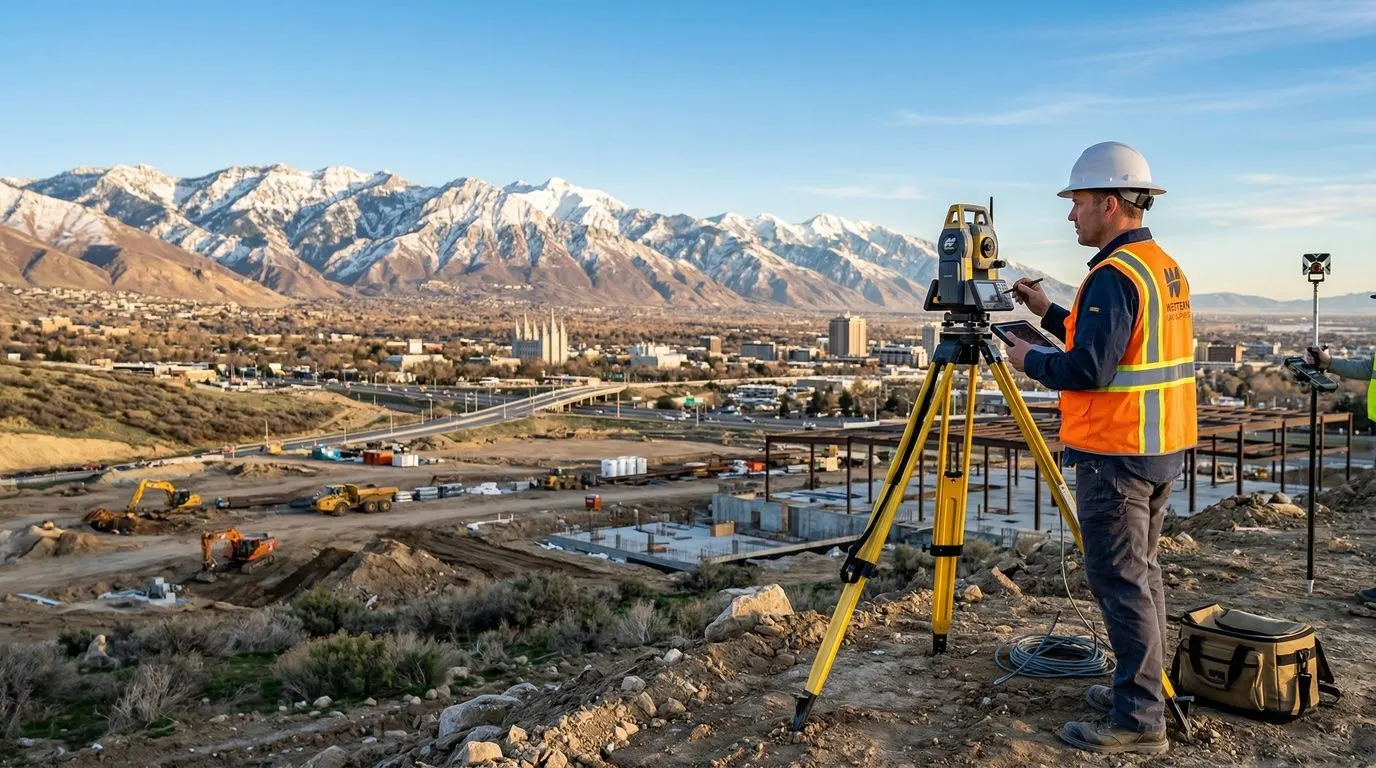
A professional land survey is the best tool for understanding how easements affect your property. At
Deseret Land Surveyor
, we research all recorded easements, locate them on the ground, and show them on your survey plat so you know exactly where you can—and can't—build. Contact us today to learn more.